

How Often Should I Have My Gutters Cleaned?
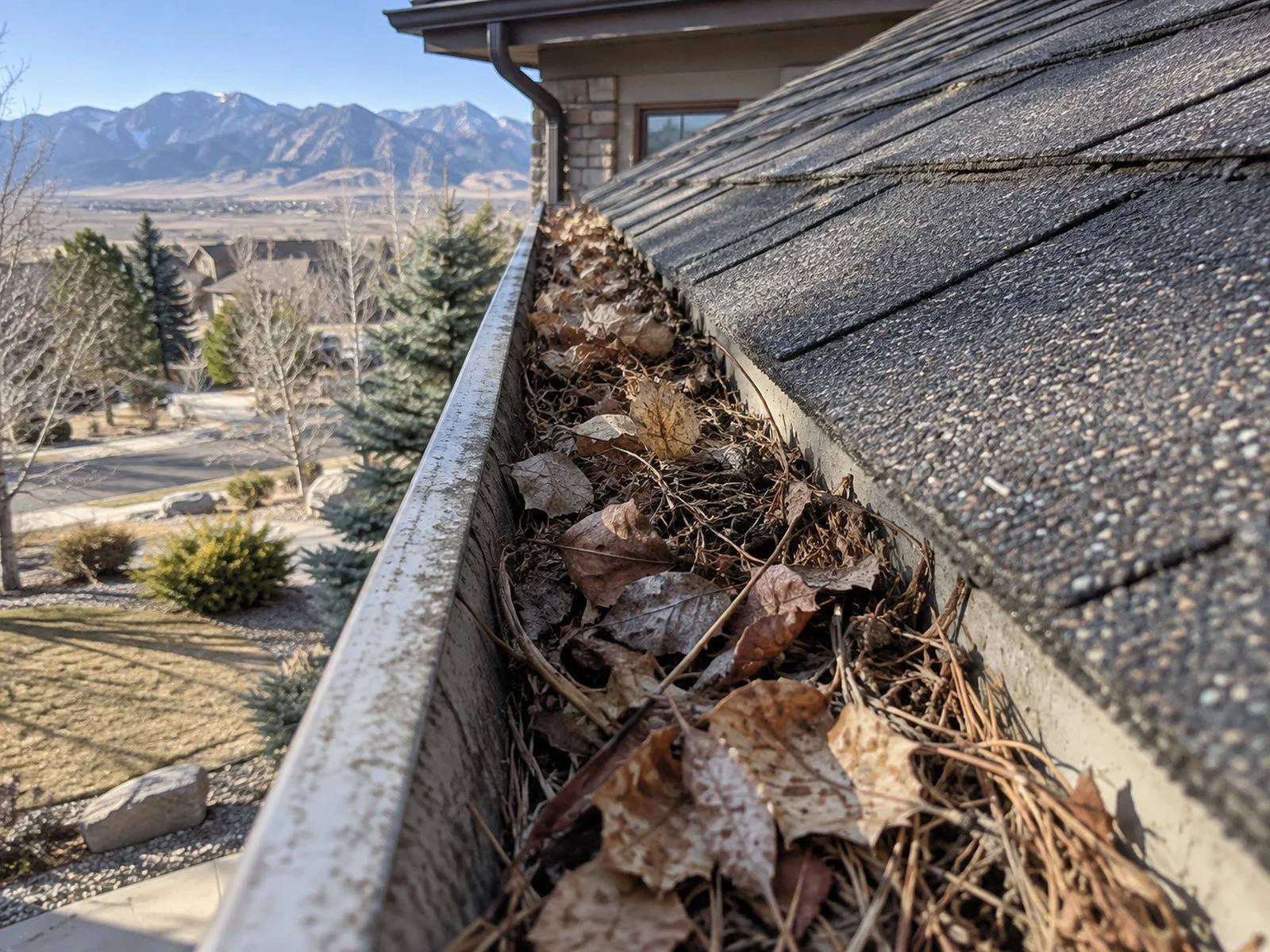
Most homes should have their gutters cleaned twice a year: once in late spring and once in late fall. However, homes surrounded by mature trees or those with flat or low-pitch roofs may need three or four cleanings annually. Regular gutter maintenance helps prevent water damage, protects your foundation, and keeps rainwater flowing away from your property.
Why Twice a Year Is the Standard for Gutter Cleaning
Throughout the year, your gutters collect more than just fallen leaves. Spring brings pollen, seeds, twigs, and shingle grit that can accumulate inside the troughs and downspouts. By late fall, leaves, pine needles, and other organic debris can create blockages that prevent water from draining properly. Scheduling a cleaning in late spring removes the buildup left behind by winter and prepares your gutters for seasonal storms. A second cleaning in late fall clears accumulated debris before freezing temperatures arrive, particularly in Colorado, where trapped water can freeze and contribute to ice dams. In Texas, where heavy thunderstorms and sudden downpours are common, keeping gutters clear is equally important. Even a partially blocked downspout can cause rainwater to overflow during intense rainfall.
What Can Change Your Gutter Cleaning Schedule?
Although twice-yearly cleaning works for many properties, several factors can influence how frequently your gutters need attention. The number of nearby trees, your roof's design, and local weather conditions all play a role in determining the right maintenance schedule. Homes with few or no overhanging trees may only need gutter cleaning once or twice a year. Without significant leaf and branch debris, gutters generally stay clear longer, although pollen, dirt, and shingle grit can still accumulate. Properties surrounded by mature trees often benefit from three or four cleanings annually. Falling leaves, pine needles, seeds, and twigs can quickly clog gutters, particularly during seasonal changes.
Homes with low-slope roofs or aging shingles may require cleaning two or three times a year. Shingle granules and other roofing debris can accumulate in gutters, potentially restricting drainage even when few trees are nearby. Properties affected by major hailstorms or high winds should have their gutters inspected afterward. Storms can deposit branches, leaves, and roofing materials into gutters, creating unexpected blockages that require immediate attention.
Commercial buildings with extensive gutter systems often benefit from quarterly cleaning schedules. Long gutter runs and large roof surfaces can collect significant amounts of debris, making regular maintenance especially important for protecting the property. Ultimately, the best cleaning schedule depends on your property's specific conditions. LH Power Wash can help homeowners and businesses throughout Colorado and Texas maintain clear, functional gutters year-round.
Signs Your Gutters Need Cleaning Now
You don't always have to wait for your next scheduled cleaning. Watch for these warning signs that your gutters may already be clogged:
Water spilling over the gutter edges during rainfall
Plants, weeds, or grass growing inside the gutters
Sagging gutters or sections pulling away from the fascia
Dark streaks or water stains along exterior siding
Ice dams or unusually heavy icicles during winter
Water pooling around your home's foundation
These symptoms suggest that water isn't moving through your gutter system as intended. Addressing them promptly can help prevent more extensive damage.
What Happens If You Wait Too Long?
Neglected gutters can create problems well beyond the roofline. When debris prevents proper drainage, overflowing water can soak fascia boards, soffits, and exterior siding, eventually contributing to wood rot and deterioration. Water that repeatedly collects near the foundation may also lead to basement moisture, soil erosion, and damaged landscaping. Meanwhile, standing water and decomposing leaves can attract insects and other pests. As wet debris accumulates, its added weight can strain gutter fasteners and cause sections to sag or separate from the building. Routine gutter cleaning is generally much less expensive than repairing water damage or replacing damaged gutter components.
What Does Professional Gutter Cleaning Include?
Professional gutter cleaning involves more than removing visible leaves. A thorough cleaning clears accumulated debris from the gutter troughs, removes blockages, and checks that downspouts allow water to flow freely. At LH Power Wash, we provide professional gutter cleaning services for residential and commercial properties throughout Colorado and Texas. For taller buildings or difficult-to-reach areas, we also offer drone-assisted gutter cleaning, helping reduce the need for ladder access while addressing debris in elevated gutter systems. Our goal is to help keep your gutters functioning properly so your property stays protected through changing weather conditions.
Frequently Asked Questions About Gutter Cleaning
Do Gutter Guards Mean I Can Skip Cleaning?
No. Although gutter guards help reduce the amount of leaves and larger debris entering your gutters, smaller particles can still collect on top of the guards or inside the troughs. An annual inspection is recommended, with cleaning performed whenever buildup or drainage problems appear.
What Is the Best Time of Year to Clean Gutters?
Late spring and late fall are generally the best times. Spring cleaning removes winter debris before seasonal storms, while fall cleaning is most effective after most leaves have dropped. Depending on surrounding trees, roof conditions, and local weather, additional cleanings may be necessary.
Can I Clean My Gutters Myself?
Homeowners can clean accessible gutters with appropriate equipment and safety precautions. However, working on ladders or near roof edges carries fall risks, particularly on multistory buildings. Professional gutter cleaning provides an alternative for properties with elevated or difficult-to-reach gutters.