How Often Should I Have My Solar Panels Cleaned?
Why Professional Solar Panel Cleaning Is Safer Than DIY
Cleaning solar panels may seem straightforward, but improper techniques can damage equipment or create unnecessary safety risks. Rooftop installations are particularly challenging because working at heights increases the possibility of falls and injuries. Pressure washers should generally be avoided unless the manufacturer specifically permits their use. Excessive water pressure can damage panel seals, coatings, or other components. Similarly, abrasive brushes, harsh chemicals, and mineral-heavy water may scratch surfaces or leave deposits that interfere with sunlight absorption. Always consult your solar panel manufacturer's cleaning recommendations, as improper maintenance methods may affect warranty coverage. At LH Power Wash, we provide professional solar panel cleaning services throughout Colorado and Texas using gentle, panel-safe techniques. For difficult-to-access installations, our drone-assisted cleaning services help reduce the need for crews to access elevated roof surfaces.
Frequently Asked Questions About Solar Panel Cleaning
How Much Power Can Dirty Solar Panels Lose?
The amount of energy lost depends on the location, type of contamination, and severity of buildup. Light dust may have a relatively small impact, while heavy deposits can cause more significant reductions. Comparing energy production with similar periods from previous years can help reveal performance changes.
Does Rain Clean Solar Panels?
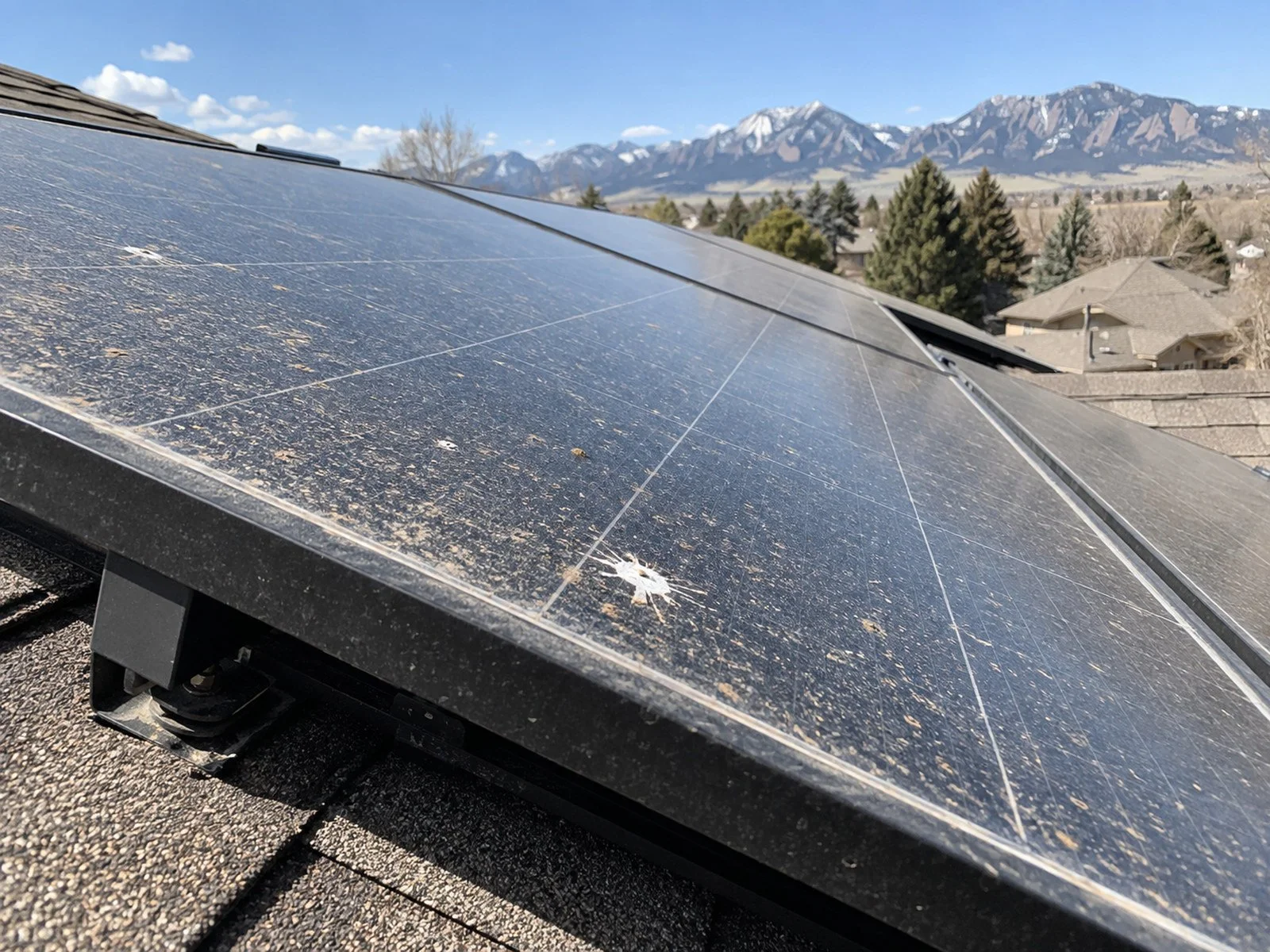
Rain can rinse away some loose dust and dirt, but it rarely provides a complete cleaning. Sticky pollen, baked-on bird droppings, and other stubborn contaminants often remain after rainfall. Rainwater can also leave mineral deposits or streaks, making periodic professional cleaning worthwhile.
When Is the Best Time to Clean Solar Panels?
Spring and fall are often convenient times for routine cleaning. Spring cleaning removes accumulated winter debris and pollen, while fall maintenance clears summer dust and residue. However, properties exposed to frequent dust storms or heavy bird activity may benefit from additional cleanings throughout the year.