
Is It Safe to Pressure Wash Stucco Exteriors?
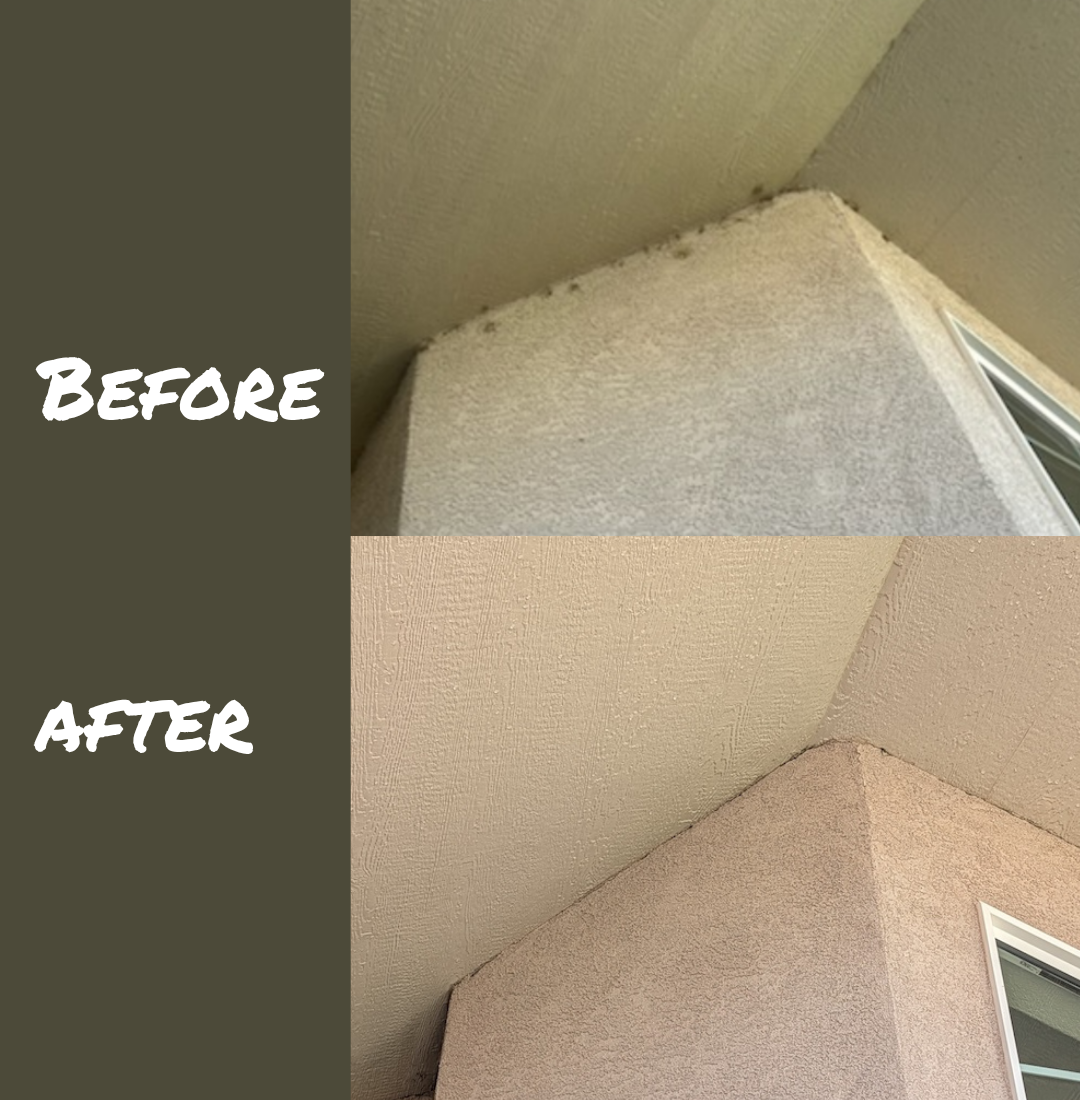
Yes, stucco can be cleaned using pressure washing equipment, but the safest approach involves low pressure and specialized cleaning solutions. Traditional high-pressure washing can damage stucco surfaces, strip paint, and force water into small cracks. Soft washing offers a gentler alternative that removes dirt, algae, and mildew while helping preserve the exterior finish of your home or commercial building.
Why Stucco Requires Special Cleaning Techniques
Stucco is a popular exterior finish for residential and commercial properties throughout Colorado and Texas, offering durability, weather resistance, and a distinctive appearance. However, its textured, porous surface requires careful maintenance to prevent unnecessary damage. Over time, stucco can develop hairline cracks from temperature changes, settling, and general wear. Applying excessive water pressure may widen these cracks, erode the textured finish, or remove existing paint. The greatest concern is moisture intrusion. When water is forced behind the stucco, it can become trapped within the wall assembly, potentially contributing to mold growth, wood rot, and other structural problems. Professional cleaning methods prioritize removing contaminants without compromising the wall's protective exterior.
Soft Washing: A Gentler Approach to Stucco Cleaning
Unlike traditional pressure washing, which relies heavily on water force, soft washing combines appropriate cleaning solutions with a controlled, low-pressure rinse. This approach helps remove stubborn buildup while reducing the risk of surface damage. Before cleaning begins, the stucco should be inspected for visible cracks, loose material, deteriorating caulk, and other vulnerable areas. Windows, vents, electrical outlets, and exterior fixtures also require attention to prevent unwanted water exposure. Nearby landscaping, doors, and fixtures should be protected, with plants pre-wetted when appropriate. A cleaning solution suited to the contaminants present is then applied and allowed sufficient time to loosen dirt and treat organic growth. Finally, the surface is rinsed gently from top to bottom, avoiding upward spray angles that could direct water into seams or openings. By allowing the cleaning solution to do most of the work, soft washing minimizes the need for aggressive water pressure. Treating algae, mold, and mildew rather than simply blasting away visible stains can also help slow their return.
Common Stucco Cleaning Mistakes to Avoid
Improper cleaning techniques can create problems that are far more expensive than the original maintenance. Some of the most common mistakes include:
Using high-pressure nozzles: Turbo nozzles and concentrated spray patterns can chip, erode, or permanently scar stucco finishes.
Spraying directly into cracks: Water directed upward or into damaged areas may penetrate behind the exterior surface.
Skipping a test area: Older, painted, or previously repaired stucco may respond differently to cleaning solutions and water pressure.
Using inappropriate chemicals: Harsh products can discolor surfaces or damage nearby plants when applied incorrectly.
Painting before the wall dries: Moisture trapped beneath fresh paint can contribute to bubbling, peeling, and premature coating failure.
At LH Power Wash, we understand the importance of selecting cleaning methods appropriate for delicate exterior materials. Our professional exterior cleaning services help homeowners and businesses maintain stucco surfaces without relying on excessive pressure.
How Often Should Stucco Exteriors Be Cleaned?
Most stucco homes and commercial buildings benefit from professional cleaning every one to three years. However, environmental conditions can influence how quickly dirt and organic growth accumulate. Shaded walls, damp environments, and areas frequently exposed to sprinkler overspray may require more frequent attention. Properties near construction activity, busy roads, or dusty environments can also develop visible staining sooner. Regular inspections help identify discoloration, algae growth, and surface deterioration before they become more significant concerns. Maintaining a consistent cleaning schedule can preserve your property's appearance and reduce the need for intensive restoration.
Frequently Asked Questions About Stucco Cleaning
Can Pressure Washing Permanently Damage Stucco?
Yes. Excessive pressure can remove paint, erode textured finishes, and widen existing cracks. It may also force water behind the stucco, potentially causing moisture damage. Soft washing is generally the safer cleaning method because it relies on specialized solutions and gentle rinsing rather than force.
Should Stucco Cracks Be Repaired Before Cleaning?
Significant cracks, loose stucco, and deteriorating seals should be evaluated and repaired by a qualified stucco professional before washing. Even small openings can allow water intrusion, so cleaning around damaged areas requires additional care.
Can Soft Washing Remove Mold and Algae From Stucco?
Yes. Appropriate soft washing solutions can treat surface mold, algae, and mildew while loosening accumulated dirt and stains. The low-pressure rinsing process then removes the treated contaminants without unnecessarily stressing the stucco finish. However, mold caused by moisture trapped inside a wall requires addressing the underlying moisture problem rather than surface cleaning alone.